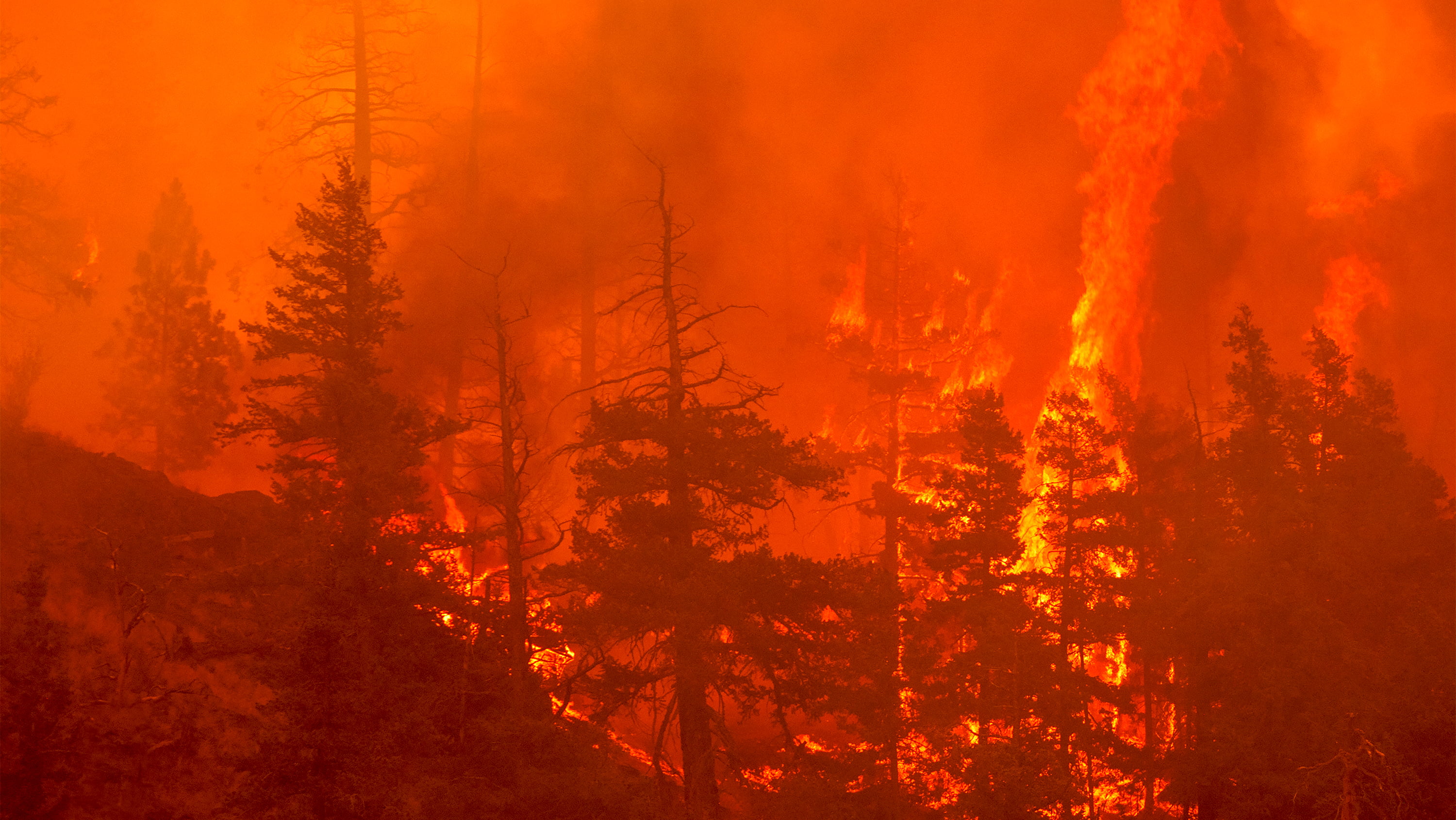
A new podcast created through University of Alberta research is exploring the impact of the Jasper wildfire on senior residents, and how leisure can help them heal from post-disaster stress.
Flowers in the Ashes: Embracing Joy While Navigating Disaster Recoveries launched this week, on the second anniversary of the wildfire that tore through and destroyed a third of the small Alberta mountain town in 2024.
The podcast is based on insights from an international research collaboration that explores how leisure can enhance the mental health of older disaster survivors, using case studies in Canada — specifically the Jasper wildfire — and earthquakes, tsunamis, typhoons and flooding that struck Japan, Taiwan and South Africa, respectively. The research project is developing recommendations for incorporating leisure into post-disaster mental health support for older survivors.
Seniors may be particularly vulnerable to mental health challenges when natural disasters strike, says Dr. Shintaro Kono, an associate professor in the Faculty of Kinesiology, Sport, and Recreation, and the Canadian lead on the project.
“Several studies have shown that many older adults experience exacerbated post-disaster stress, due to factors like unfamiliarity with technological and bureaucratic processes for say, receiving aid and claiming insurance,” he notes.
Stigma around seeking traditional mental health services like counselling may also hamper seniors when dealing with stress, Kono’s research interviews have shown.
“Some people are afraid of how they are seen by others, while others are just not used to putting themselves in an emotionally vulnerable position. Many older adults take pride in having an independent life without relying on support from others.”
The three-part podcast, being co-hosted by Kono and his research associate Kole Lundstrom, draws on the project’s research work, including interviews with 55 seniors and community supporters such as senior association volunteers and municipal workers from the four countries, as well as from Jasper.
Each 30-minute episode explores how leisure activities help survivors cope, connect and heal after a natural disaster.
The series starts with the social impact of disasters, showing how shared activities can help survivors rebuild community bonds and maintain relationships. The second episode addresses the stress of feeling "stuck" during the long recovery process, explaining how pastimes and hobbies such as reading, crafts and outdoor recreation can provide a much-needed escape. The final show highlights how leisure supports long-term healing, serving as a tool for survivors to find new meaning and experience personal growth after trauma.
“The podcast offers many concrete ideas and suggestions for senior survivors, their friends and families, practitioners and policymakers in terms of providing better support,” Kono says.
One of the major takeaways of the overall research project, which will be highlighted in upcoming studies, “is that leisure plays key roles in helping older survivors start to live their post-disaster lives,” he adds.
The podcast can offer lessons for everyone about the importance of leisure when coping with distress, Kono believes.
“Right after someone goes through a major disaster, leisure is inconceivable. But, we cannot stay in survival mode — physically, cognitively, emotionally, socially and financially — for too long. At some point, we must start living again, and that’s where leisure comes in.”
The podcast received technical assistance from the U of A Sound Studies Institute, as well as support from the Faculty of Kinesiology, Sport, and Recreation.