Convocation 2026: Theodore dos Santos
Donna McKinnon - 16 March 2026
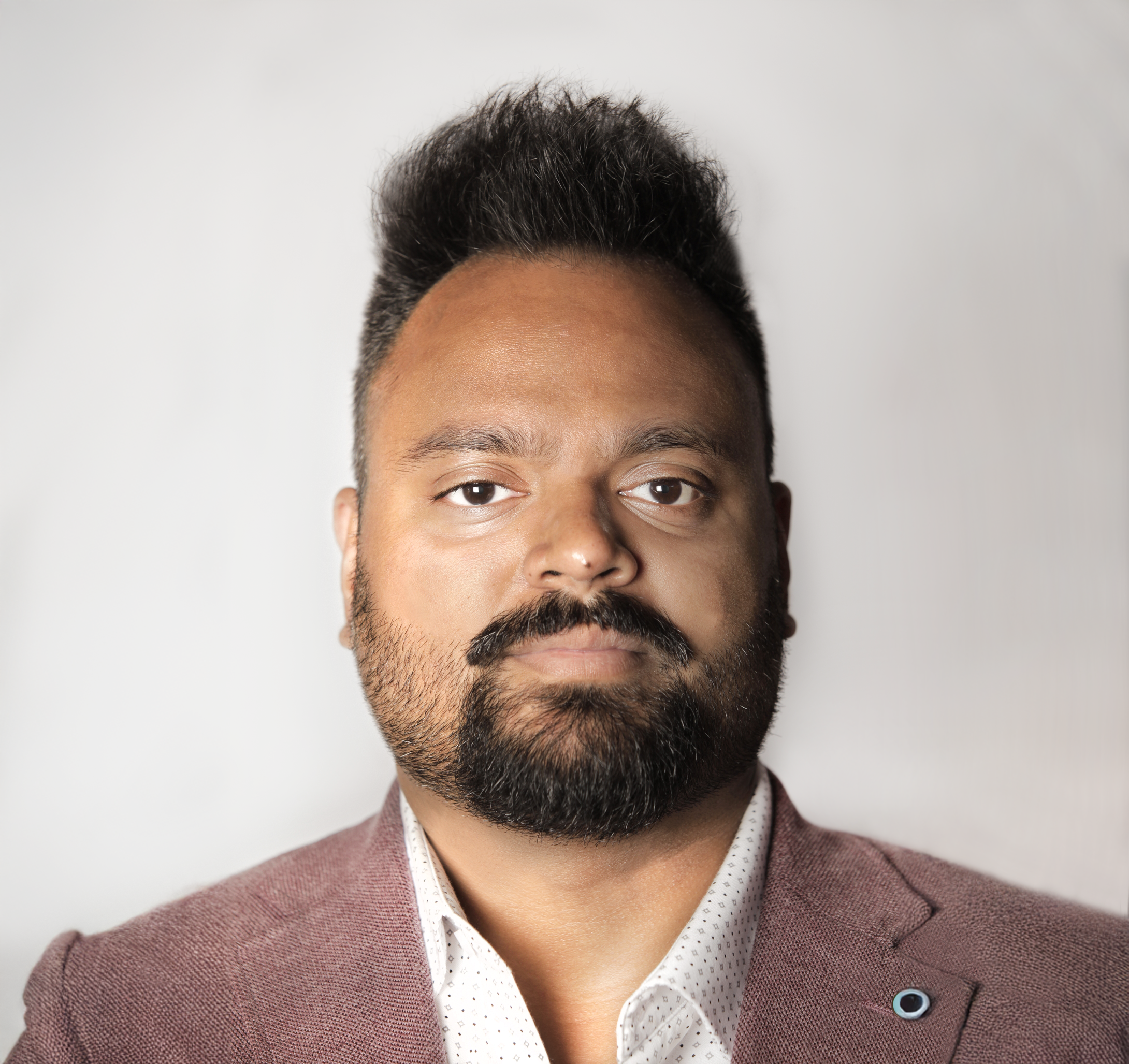
Theodore dos Santos. (Photo: supplied)
After completing a BSc (Hons) in immunology and infection, Theodore dos Santos spent several years working on the mechanics of viruses. As his career progressed, he became increasingly curious about chronic disease, particularly the escalating global crisis of diabetes. Transitioning from a specialized background in virology to the complexities of human donor tissue and machine learning was a challenge, but the international reputation of the Alberta Diabetes Institute provided the ideal environment for this transition. Crucially, it offered a unique opportunity to train under the mentorship of Patrick MacDonald, a leading diabetes researcher and Canada Research Chair (Tier 1) in Islet Biology.
Throughout his program, Theodore took on a variety of leadership and advocacy roles, including chair of the Alberta Diabetes Institute Trainee Working Group, managing large-scale initiatives such as research days and global symposiums. His various volunteer roles in the community — especially work that supports inclusive STEM opportunities — has been foundational to Theodore’s growth as a researcher and leader. These experiences, he says, taught him the transformative power of “uplifting the voices of others” by centring their specific needs and perspectives.
With his PhD in pharmacology from the Faculty of Medicine & Dentistry now complete, Theodore is working as a postdoctoral scholar in the MacDonald Islet Biology Lab. His commitment to the advancement of human health through research and high-impact collaboration continues.
“I’m taking things one step at a time,” he says. “I’ve learned that some of the most meaningful opportunities emerge organically, and I’m excited to let my research chart my path ahead.”
Congratulations, Theodore!
Which faculty, program and department are you graduating from?
The PhD (Pharmacology) program in the Faculty of Medicine & Dentistry.
What led you to choose this area of study, and why the U of A?
I completed my bachelor of science with honors (immunology and infection) at the U of A and spent several years studying viruses in research labs. While I enjoyed that work, I found myself increasingly curious about chronic diseases and their long-term impact on people’s lives. That curiosity led me to research focused on diabetes and its profound and growing global impact.
While exploring this new direction, I discovered that the U of A’s Alberta Diabetes Institute is internationally recognized as one of the leaders in diabetes research and patient care. The opportunity to train in such an environment, particularly in the research group of Patrick MacDonald, was a responsibility worth pursuing. This meant stepping outside my comfort zone as I transitioned into working with precious human donor tissue, learning bioinformatics and even integrating machine learning approaches to enhance the research. It was a considerable leap into a new dimension of methods that I had no prior experience with, but it greatly expanded my scientific abilities.
Ultimately, my training with the MacDonald Islet Biology Lab and the Alberta Diabetes Institute shaped me into a multidisciplinary scientist who now thrives on collaboration, appreciates complexity, and is motivated by the shared goal of advancing human health.
Tell us about your favourite professor and/or class.
One of the most formative experiences during my PhD was the National Islet Biology Graduate Course offered through the Canadian Islet Research and Training Network. What made this class exceptional was not only the content, but the community it fostered. It brought together trainees from across Canada and connected us with leading experts in the field, which created a unique collaborative class environment.
Aside from learning, we also actively contributed to our field. As a class, we co-authored a review that was published in the Canadian Journal of Diabetes, and one of my course assignments was also selected for publication. Seeing our collective effort translate into tangible scientific contributions was incredibly gratifying.
Perhaps the most meaningful outcome is that currently, I return to the course as a guest lecturer for new student cohorts. It is a privilege to now mentor and teach in a program that once helped shape my own research journey.
Did you take on any leadership or volunteer roles while you were a student? If so, please share your experiences.
During my PhD, I was elected chair of the Trainee Working Group at the Alberta Diabetes Institute, representing postdoctoral fellows and graduate students across the institute. In this role, I served as a bridge between trainees and leadership, advocating for our community while helping organize major initiatives, including research days, international symposiums and special events such as the 100th anniversary of the discovery of insulin celebration. These experiences strengthened my leadership skills and also showed me the power of uplifting the voices of others by addressing their needs.
Building on that foundation, I now serve as the elected chair of the trainee committee for the Canadian Islet Research and Training Network. In this national role, I work to elevate trainee perspectives across Canada, applying what I learned at the U of A to support collaboration, mentorship and professional development on a broader scale.
Aside from formal leadership roles, I’ve also been committed to service. I support Women in Science, Engineering and Research (WISER) initiatives and regularly volunteer as a judge for the Edmonton Regional Science Fair. Engaging with the next generation of researchers and advocating for inclusion in STEM has always been a great reminder that scientific impact can extend beyond the laboratory.
Did you face any significant challenges while you were a student, and if so, how did you respond?
Like many graduate students, I faced my share of challenges. There were unexpected results, personal hardships and the disruption caused by the COVID-19 pandemic. But one moment that stayed with me was narrowly missing out on federal PhD funding. The application had felt like a strong submission, yet it fell just short of the funding cutoff after receiving one critical score from one of the reviewers.
At the time, it was difficult not to internalize that outcome. Securing federal funding can significantly ease financial pressures and feels like a milestone of validation. I remember questioning myself and my work more than I should have.
What I now realize, however, is that rejection is not a verdict; it’s just part of the process. The very research that was not funded went on to be published in the Journal of Clinical Investigation, accompanied by an expert commentary highlighting its contribution to research on type 1 diabetes. This experience reshaped how I see setbacks. Sometimes the timeline of recognition simply doesn’t align with the timeline of effort.
Most importantly, I didn’t navigate that moment alone. I was supported by an exceptionally encouraging supervisor whose mentorship and advocacy were instrumental to my growth, by colleagues who fostered a collaborative and uplifting research environment, and by my partner (also a PhD student!) who stood by me during my most uncertain moments. Looking back, that rejection drove me forward. It strengthened my resilience, improved my focus and reminded me that perseverance, community and self-belief matter just as much, if not more, than accolades.
What advice do you have for current or future students?
For current students, I would say that envy is the thief of happiness. It can quietly and consistently erode your joy. There will always be someone who seems to be publishing more, winning more awards, or moving faster.
What I found to help was striving to be a little better today than you were yesterday. You can’t control outcomes, but you can control your effort, your integrity and your growth. Measure success by your own development.
For future students, my strongest advice is to prioritize mentorship and environment above all else. A supportive supervisor and a healthy research culture will shape not only your scientific training, but your well-being and confidence. The specific project or field matters far less than the people who will guide you through inevitable challenges.
If you are considering joining a lab, speak candidly with current members and recent graduates. Ask thoughtful and difficult questions, especially about how the team navigates setbacks. Character is revealed during challenging moments, not during smooth sailing. Choose an environment where you will be supported when things don’t go as planned. There will be turbulence at some point, and having people you trust beside you makes all the difference.
How do you plan on celebrating convocation?
After convocation, I would likely celebrate quietly with my partner but there will definitely be good food and probably a moment of reflection on how far I’ve come. I recall having a similar feeling when I completed my BSc, and at the time, I certainly never imagined attaining a PhD. After celebrating this new milestone, I’ll get back to thinking about the next mountain to climb.
What's next after graduation?
Currently I am a postdoctoral scholar in professor MacDonald’s lab, building on the foundations of my PhD research and developing it further. As for the longer term, I’ve come to appreciate that careers in science rarely unfold in straight lines. So I’m taking things one step at a time. I’ve learned that some of the most meaningful opportunities emerge organically, and I’m excited to let my research chart my path ahead.