Society and Culture
Society and Culture
Reigning It In: A Brief Look at Horse Hoof Cuffs
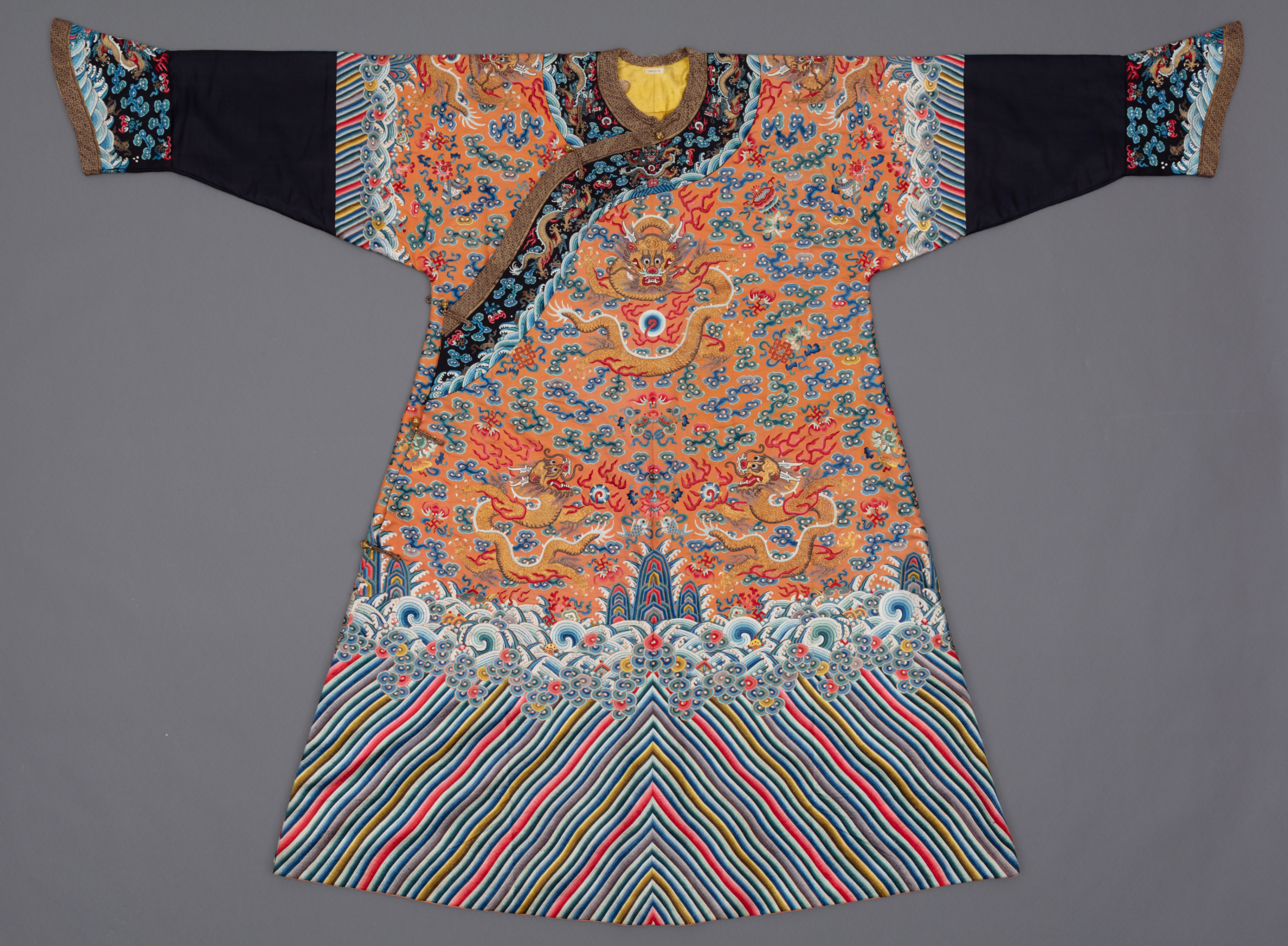
Figure 1: Embroidered Apricot Silk Dragon Robe for the Heir Apparent, Qing 17-18th centuries; Mactaggart Art Collection, University of Alberta Museums; Gift of Sandy and Cécile Mactaggart; 2005.5.175
Lunar New Year is just around the corner! With the next lunar year starting on February 17, 2026, we enter a new Chinese Zodiac Year; in the cycle of 12 different zodiac animals, we will be moving from the Year of the Snake into the Year of the Horse. While it may not be obvious upon first glance, horses have heavily influenced many of the items found in the Mactaggart Art Collection.
There are a number of dragon robes in the Mactaggart Art Collection, which were a common clothing choice for members of the Manchu imperial court, who ruled China during the Qing Dynasty (1644-1912). Looking at the Embroidered Apricot Silk Dragon Robe (see Fig. 1), we can see the sleeves end with a partially rounded, angled cuff. This style of cuff is referred to as matixiu (Chinese: 马蹄袖) – literally a ‘horse hoof cuff’ – and is an intentional design choice that reflects the role of horses in Manchu identity and culture.
The Manchu people find their origins in North Asian, Tugusic-speaking tribes, who lived nomadic lifestyles that were shaped by horseback riding and herding.1 As parts of these tribes came together and ultimately formed the sedentary, agricultural lifestyle of the Manchu in the early 17th century, horse husbandry and horseback riding continued to be an integral part of Manchu cultural tradition. Their original utilitarian form of dress – designed for agricultural work and raising horses – was evolved to create a unique Manchu identity, as a way to legitimize their rule over China starting in 1644. As a result, we see features that allude to horses and horseback riding in both formal and informal Manchu clothing (qizhuang; Chinese: 旗裝), such as the horse hoof cuffs and a cut down the centre of the robe (to ensure the robe would cover the wearers’ legs both on and off horseback).
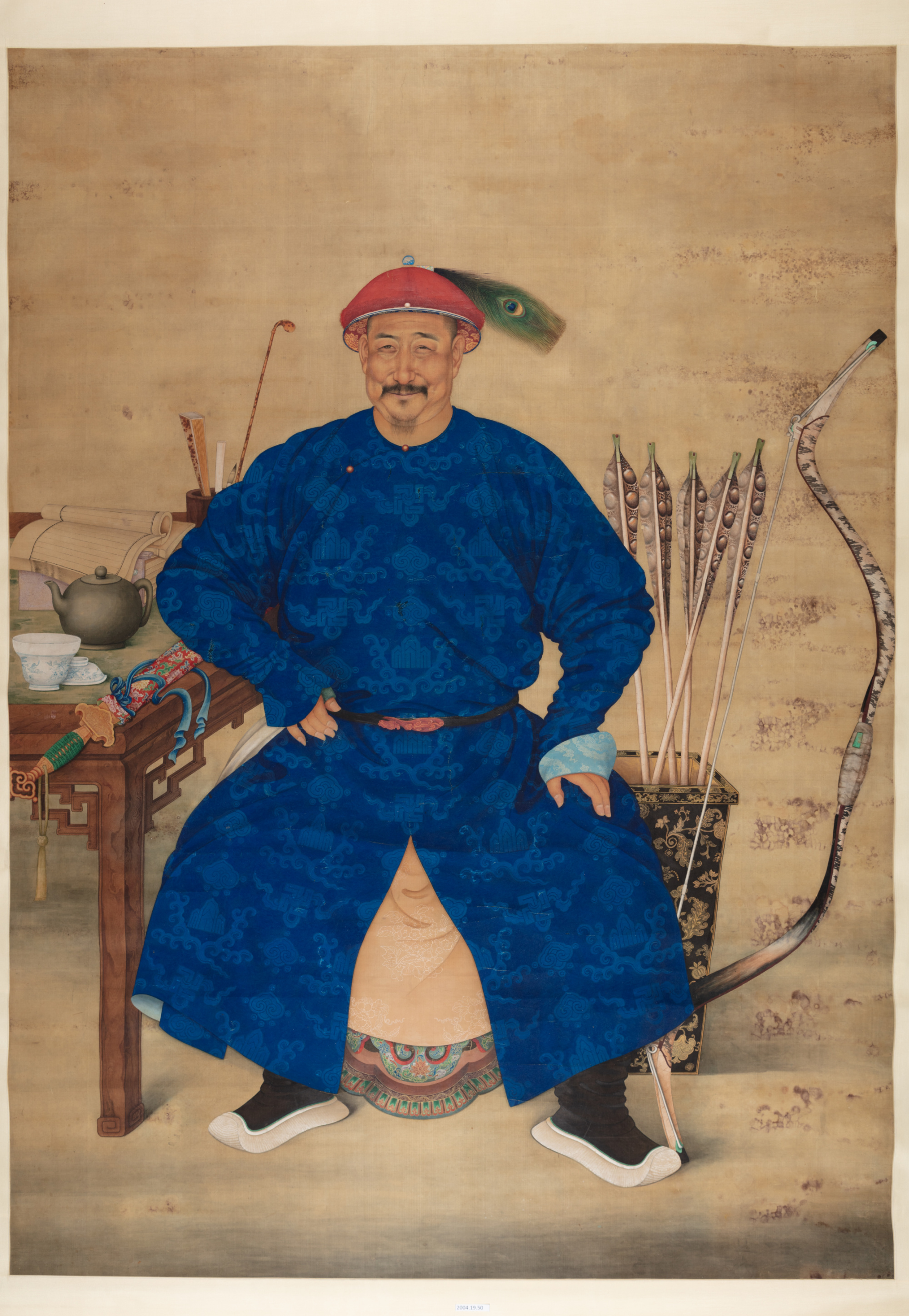
In Portrait of a Bannerman (see Fig. 2), we can see how the horse-hoof cuffs would have looked when the robe was being worn. On the left, we see the cuff laying normally, covering the majority of the man’s hand. This feature would be especially useful while riding on horseback, protecting the rider’s hands from harsh winds – you can see the cuffs covering the horse rider’s hands in the Southern Inspection Tour handscroll (see Fig. 3). On the right, we see the cuff rolled back, though still maintaining its horse hoof shape. This could be useful for doing finer motor tasks, such as firing an arrow.
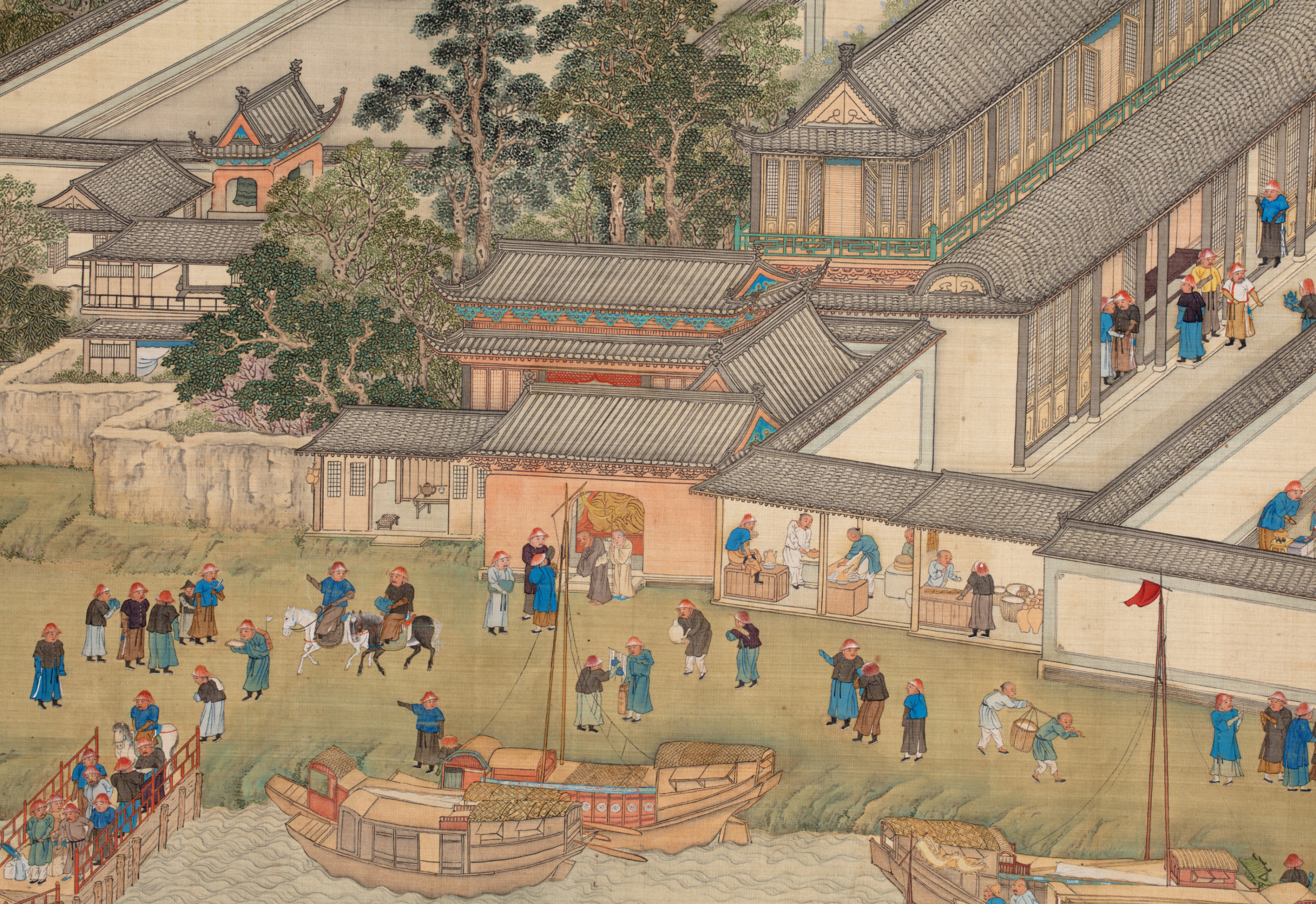
Figure 3: Detail from Southern Inspection Tour handscroll, 1691-1698; Mactaggart Art Collection, University of Alberta Museums; Gift of Sandy and Cécile Mactaggart; 2004.19.74
In the late Qing Dynasty (19th century), horse hoof cuffs widened, becoming more of a fashion statement. While their look and purpose evolved over time, the enduring style of the horse hoof cuff speaks to the importance of horses in Manchu cultural identity.
1 John E. Vollmer, “Creating Manchu Identity,” in Dressed to Rule: 18th Century Court Attire in the Mactaggart Art Collection (Edmonton: University of Alberta Press, 2007), 5-9.
Related Posts

Society and Culture
A Legacy in Print
Society and Culture
A new cultural landmark for campus: The Kenneth and Sandra Wong Gallery
Society and Culture