The U of A Festival of Undergraduate Research and Creative Activities (FURCA) is URI’s annual celebration of all things undergraduate research!
Why attend FURCA?
Current undergraduate researchers
This is your chance to shine! FURCA provides a supportive, low-stakes environment for students to share their research with a diverse audience of students, faculty, and alumni from across all disciplines. Presenting at FURCA is a great way to practice your presentation skills, get feedback on your work, add to your CV, and maybe even win some cash!
Prospective undergraduate researchers
Curious about undergraduate research and how to get started? FURCA is a great place to see examples of projects that students have been involved in, make connections with other students interested in research, and discover potential opportunities for you to engage in research!
FURCA 2026 - Schedule at a Glance
The detailed FURCA schedule will be available by mid-February. The schedule is provided below:
Tuesday, March 10, 2026
- Poster Presentations: 9 a.m. - 4 p.m. | University Commons Atrium
- Oral Presentations: 9 a.m. - 5 p.m. | 2-350 University Commons
- Future Scholars (High School) Symposium: 1 - 3 p.m. | University Commons Atrium
Wednesday, March 11, 2026
- Poster Presentations
9 a.m. - 4 p.m. | University Commons Atrium - Oral Presentations
9 a.m. - 5 p.m. | 2-350 University Commons
Thursday, March 12, 2026
- Undergraduate Research Involvement Fair
10 a.m. - 3 p.m. | University Commons Atrium - FURCA Awards Reception and Keynotes
4 - 6 p.m. | 2-350 University Commons
FURCA Student Presentations - Detailed Schedule
This year, more than 150 students will be presenting at FURCA. Poster presentations will take place in the University Commons Atrium, and oral presentations will take place in the Alfred Sorensen Community Hall (2-350 University Commons). Presentations have been scheduled along broad, multi-disciplinary themes, based on the information provided by the presenters in their abstract submissions.
All student presentations are open to the public, and they are a great opportunity for students to see real examples of undergraduate student projects.
Future Scholars Symposium
Tuesday, March 10 | 1 - 3 p.m.
This year, the URI has partnered with the University of Alberta Day Trip to welcome high school students to FURCA. Join us on March 10, from 1-3pm in the University Commons Atrium to see poster presentations from high school students.
Social Innovation Problems + Solutions Fair
Wednesday, March 11
Looking for more research events? On Wednesday, March 11, the U of A Senate invites you to the UCommons Atrium for a night of creativity and connection.
This inaugural event brings researchers and community members together to share innovative solutions to everyday challenges in Alberta. The evening features short (3-minute) presentations, networking opportunities, and an exciting announcement regarding Senate support for social innovation.
FURCA Involvement Fair
Thursday, March 12 | 10 a.m. - 3 p.m.
Looking for research opportunities and resources? The FURCA Involvement Fair is your chance to connect with researchers, funding agencies, and other organizations that work with undergraduate (and prospective graduate) researchers. Visit our exhibitors to learn more about research opportunities, funding opportunities and other ways that you can get involved in undergraduate research!
FURCA Keynotes + Awards Reception
Thursday, March 12 | 4 - 6 p.m.
The reception celebrates and reflects on our growing culture of undergraduate research at the University of Alberta. This year, we are honored to feature keynote speakers whose research addresses the interconnection of human, animal and environmental health through cross-disciplinary research in One Health. During the event, we will also present awards recognizing outstanding FURCA presenters whose presentations were evaluated by judges throughout the week.
FURCA Keynote Speakers

Hannah Bayne
Tuning In To Climate Change: A OneHealth Perspective on Arts-Based Community Research
Climate change is impacting every part of our world and our ability to thrive. The arts, specifically music, have the possibility of helping us to adapt to these impacts and even to thrive. But how does art connect to OneHealth and why do these connections matter for preserving our livable future?
Hannah Bayne (she/they) is a PhD Candidate and SSHRC Canada Graduate Scholar at the University of Alberta in ᐊᒥᐢᑲᐧᒋᐋᐧᐢᑲᐦᐃᑲᐣ (amiskwaciwâskahikan) in the Climate Change and Global Health Research Group. Her research explores the impacts of climate change on psychosocial well-being, using community and arts-based research methodologies to examine how collective music-making can address climate grief and anxiety. Hannah is active in science communication and community outreach, primarily working with children and young people in schools to build climate change and health literacy.
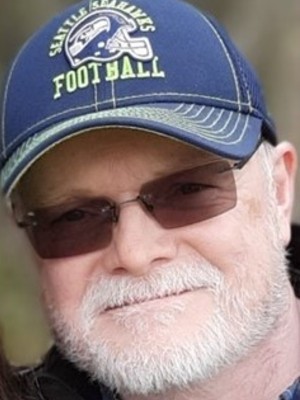
Dr. Norman Neumann
Creating the Ultimate Superbug: Nature’s Solution to the Problem of Humans?
From a One Health perspective, humans are nature’s most invasive and destructive species. No other species on earth has modified and changed the natural environment as much as we have as humans. Ironically, we often justify our actions as engineering achievements grounded in the principles of public health and health promotion. Take water treatment for example. Drinking water treatment and waste sanitation represent the most important public health interventions for control of infectious diseases in modern society. The National Academy of Engineering considers water and waste treatment, as one of the greatest engineering achievements of the 20th century, largely due to the immense public health impact it has had on society. But what would happen if microbes were able to breach these foundational barriers of public health by evolving resistance to water treatment – a process analogous to the evolution of antimicrobial resistance (AMR), but on a far greater threat level? Newton’s Third Law of Motion states that for every action there is an equal and opposite reaction, and importantly, this natural law holds true in biology. As we try to control nature, nature responds. Water treatment processes aimed at killing waterborne pathogens forces nature to ‘create’ pathogens that are resistant to this treatment. This keynote presentation will take you on short, but remarkable journey of discovery on the evolution of water-treatment resistant pathogens – i.e., nature’s ultimate superbugs, and a potential emerging scourge for humans.
Dr. Norm Neumann is a Professor in the School of Public Health at the University of Alberta. His research centers on the concept of ‘One-Water’ - a holistic framework that views every drop of water in an integrated and perpetual cycle of renewal and use, grounded on the principle that water sustains, flourishes, and creates resiliency for life on Earth. The ultimate goal of his research program is to promote the wise stewardship of water in society while ensuring the public health safety and environmentalsustainability of these practices.