Employees
Employees
Incident Lessons Learned: Improper Waste Packaging
28 October 2025
Ensure waste is properly packaged to prevent spills
Summary
Over the last several months there have been multiple reports of chemical and biological spills during hazardous waste pickup. In each scenario, the packaging was found to be improper, either damaged or leaking due to the material inside.
In one situation, chemicals had been placed in a box that was damaged on the bottom. When the box was picked up, the chemicals fell through and three bottles broke open, requiring a chemical spill clean-up.
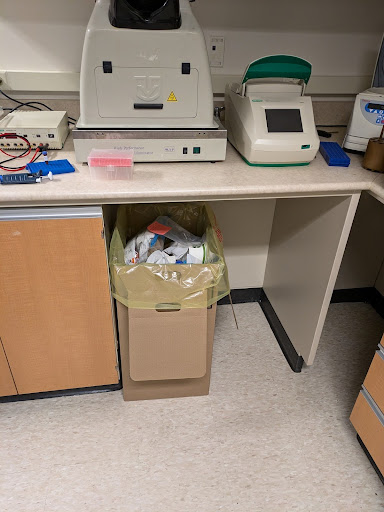
In the other two scenarios, biohazardous waste was improperly packaged. Semi-solids that had been placed in a biowaste box ended up liquifying and leaking through the box, necessitating a biohazard spill response.
Consequences
The immediate consequences of the improper packaging were spilled hazardous materials that required a clean up, disruption of activities in the space, and delays to waste pickups. Had the spills involved more hazardous materials or occurred in different locations, more serious outcomes may have resulted. For example, many chemicals can evaporate and pose an inhalation hazard, which could be a significant risk in a public area. Similarly, biohazardous materials, such as viruses or bacteria used for research, can pose a risk to people's health or to the environment.
These incidents highlight how unsafe actions can have an impact downstream, adversely affecting other staff and students at the U of A.
Culture of Care
The Culture of Care Safety Action Plan calls for a work environment where everyone owns their safety performance and that of others so everyone can go home safely each day. The learnings from these incidents remind us to take actions to protect other staff who support our work, as well as staff and students who may be impacted by our work.
Call to Action
When packaging hazardous waste, it is important to consider the potential impacts to others, including those involved in waste disposal. Follow the steps below to package hazardous waste properly:
- Segregate chemical waste by TDG class and place it in a sturdy container that will withstand handling and transport.
- Use bioboxes for solid biohazardous waste only.
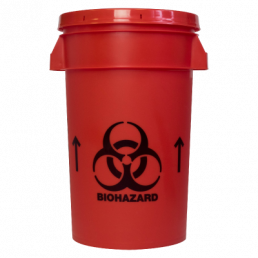
- Place liquid or semi-liquid biohazardous waste in a sealed biohazard pail.
See the visual guide for biohazardous waste for proper containers to use and best practice waste packaging poster for additional details.
The University of Alberta is committed to the safety, health and well-being of our faculty, staff and students. Every day, we advance this commitment to safety through the Culture of Care: Safety Action Plan.