Meet Qipei (Gavin) Mei: An Assistant Professor Building the Future of Construction & Online Education
1 December 2025
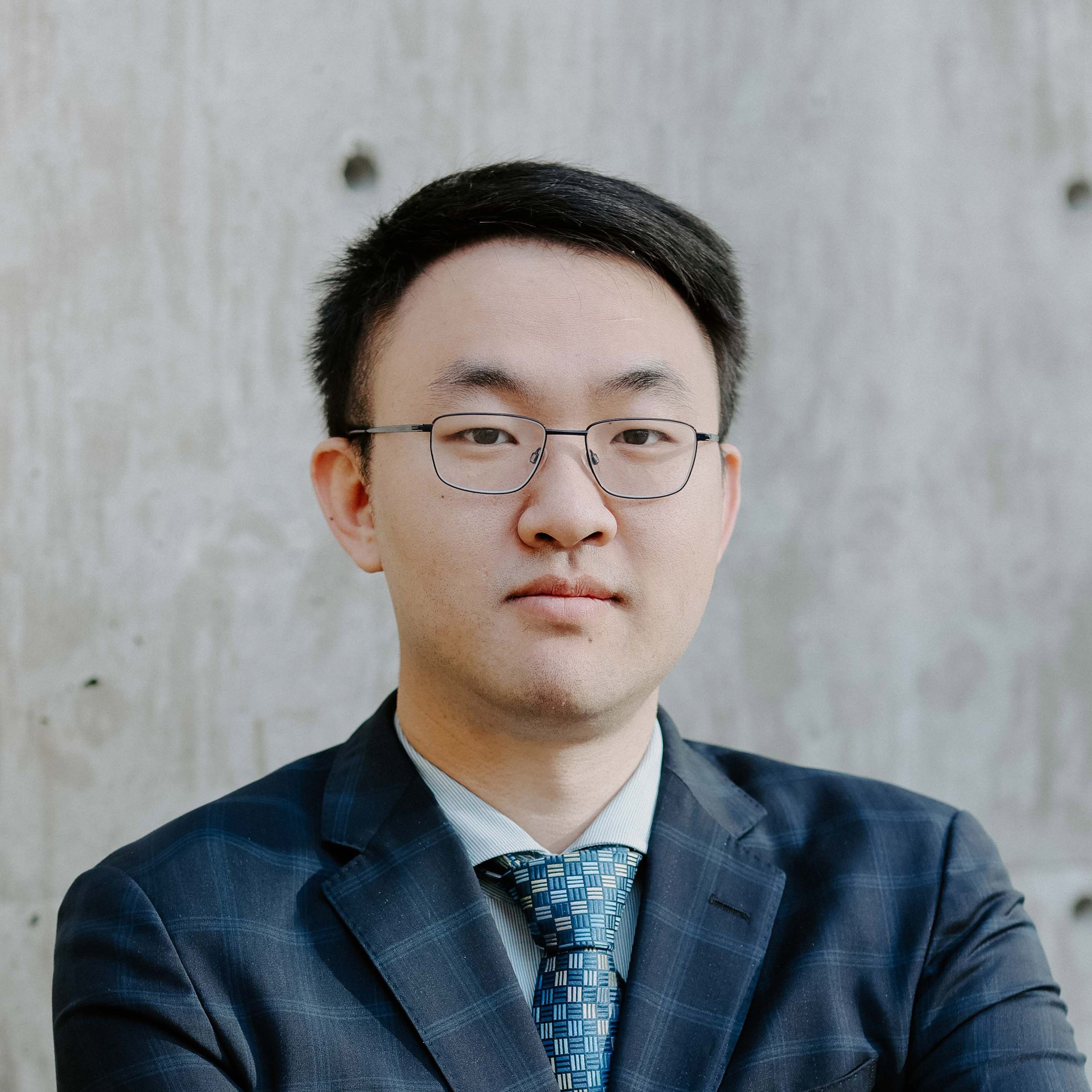
Qipei (Gavin) Mei
Tell us about your current role and the work you are involved in.
I am an Assistant Professor in the Department of Civil & Environmental Engineering, where my work focuses on construction robotics, AI-driven design automation, and digital twins for the built environment. Alongside my research program, I am also leading the development of the new online Master’s of Engineering (MEng), Specialization in Construction Engineering and Management, scheduled to launch in Fall 2026. My role spans teaching, research, industry collaboration and program development. I work closely with partners in construction, engineering consulting, and technology sectors to ensure our teaching and research reflect real industry needs.
What led you to pursue a career in your field?
I’ve been fascinated by AI and robotics technologies since I was young. Later in my career, I became deeply interested in how infrastructure shapes society—how buildings, transportation systems, and energy networks support people’s daily lives. Combining my passion for digital technologies with my commitment to improving the built environment, I am now focused on developing innovative solutions that bring these two worlds together.
Was there a particular moment or influence that sparked your interest?
That particular moment in my life was my volunteer experience after the massive and enormously devastating Sichuan earthquake in 2008. Witnessing the destruction and the overwhelming needs of affected communities showed me how profoundly and how importantly engineering can support recovery and improve people’s lives. Later, during my graduate studies in Canada, I became increasingly interested in how emerging technologies, such as AI, robotics, and automation, could transform the construction industry. The combination of human impact and technological innovation continues to motivate me today.
How does your work or research contribute to the high-level goals of your department or unit?
My research aligns strongly with our department’s priorities: innovation, industry impact, interdisciplinary collaboration, and preparing the next generation of engineers. Through construction robotics, AI modeling, and digital twin research, my team develops solutions that enhance safety, sustainability, and productivity in the built environment.
On the teaching side, I am fortunate to have the opportunity to lead the development of the online MEng program, which allows practicing engineers across Alberta, Canada, and around the world to upskill without stepping away from their careers or personal responsibilities. This work directly supports our faculty’s commitment to delivering accessible, inclusive, and high-quality engineering education.
What do you find most rewarding about your job?
The most rewarding part of my job is seeing ideas turn into real impact. Whether it’s helping students grow their confidence, collaborating with industry on meaningful challenges, or watching our robotic and AI systems perform tasks once considered impossible, I enjoy being part of a field where innovation can immediately improve lives and have a profound impact on communities.
Can you share a project or initiative you are particularly proud of? What was its impact?
The project I am most proud of recently is leading the development of the University of Alberta’s first online MEng program—and the first specializing in Construction Engineering and Management in Western Canada. Working with an excellent team from our department and the University’s Office of Continuing Education, we built everything from the ground up and are now preparing to launch a fully ready program. The courses in this program are designed to be truly valuable, integrating modern online learning principles with strong student engagement in mind. This program will significantly improve access to world-class education for learners around the globe, especially for those with career or personal responsibilities who cannot attend in person. It represents an important first step for our university toward a more inclusive and flexible learning environment.
What skills or experiences have been most valuable to you in your work?
One of the most valuable skills in my work has been staying problem-driven—always going back to first principles and clearly understanding the real challenge before jumping to solutions. Another important mindset is recognizing the limits of my own knowledge. Acknowledging what I don’t know pushes me to collaborate with others, whether they are colleagues, industry partners, or students. This openness to learning and teamwork has been essential in both my research and program development.
How do you stay current with advancements and new trends in your field?
I stay current with advancements and new trends through several avenues. I maintain active research collaborations with industry partners, which keep me closely connected to real challenges and emerging technologies. I also attend and present at conferences to exchange ideas with peers and stay informed about the latest developments. Reading academic papers regularly helps me stay up to date on new methods and discoveries, and listening to students often brings fresh perspectives and innovative tools into my work.
What is one thing that people would be surprised to know about you?
One thing people are often surprised to learn about me is that I love skiing, especially with my family. It’s our favourite way to spend time together and enjoy the outdoors.