Honouring Excellence in Teaching: 2025 Leonard E. Gads Award Recipients
Heather Egger - 3 November 2025
The Leonard E. Gads Research Awards celebrate a legacy of laughter, curiosity and commitment to teaching excellence within the Faculty of Engineering. Named for Professor Leonard E. Gads — a beloved instructor known for his humour and his belief that “a point put across with laughter is well remembered” — the awards recognize graduate students who bring that same spirit of creativity and care to their classrooms and labs.
This year’s recipients — Jacopo Zattoni (biomedical engineering), Sophie Shi (chemical and materials engineering), Calvin Chung (civil and environmental engineering), Harikrishna Rao Mohan Rao (electrical and computer engineering), and Sara Sheikhi (mechanical engineering) — exemplify what it means to teach with empathy, clarity and imagination. Each brings a unique approach to guiding students toward understanding, building confidence and making learning come alive.
Creating Space for Curiosity and Confidence
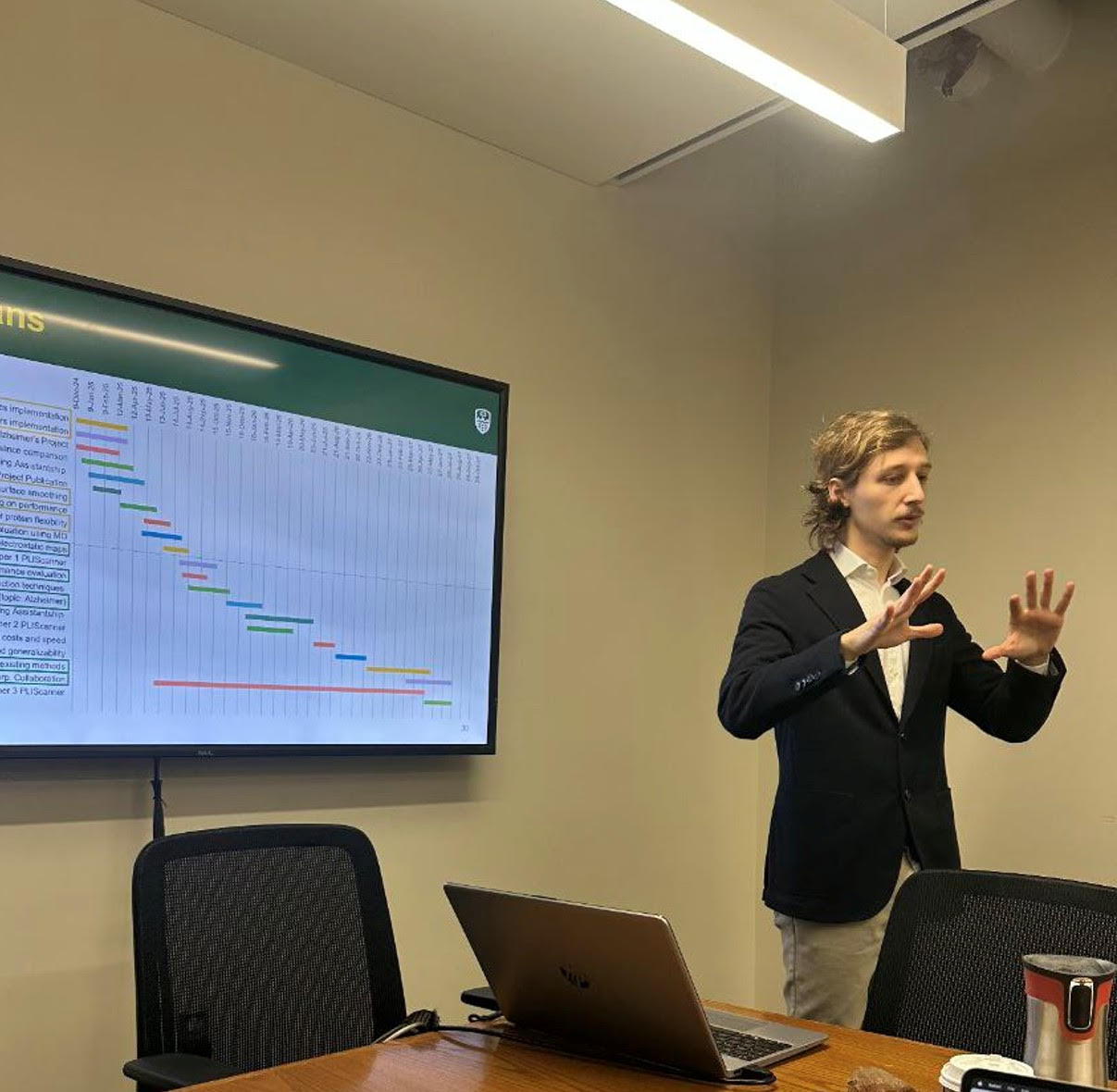
For Jacopo Zattoni, a PhD candidate in biomedical engineering, teaching is as much about atmosphere as it is about instruction. “We all know how intimidating it can be to ask questions or express uncertainties about our own understanding,” he says. “I did my best to make sure the learning environment was as inclusive, friendly and judgment-free as possible.” His approach begins with empathy — meeting students where they are and tailoring explanations to their individual needs. Through every lab and office hour, Jacopo found that supporting students in their growth also helped him discover the kind of teacher he wants to be. The Leonard E. Gads Award affirms that instinct, recognizing his commitment to creating spaces where curiosity thrives and confidence takes root. “This award will encourage me to continue to strive for success and the betterment of myself and those I cross paths with,” he reflects.
Transforming Experience into Empathy
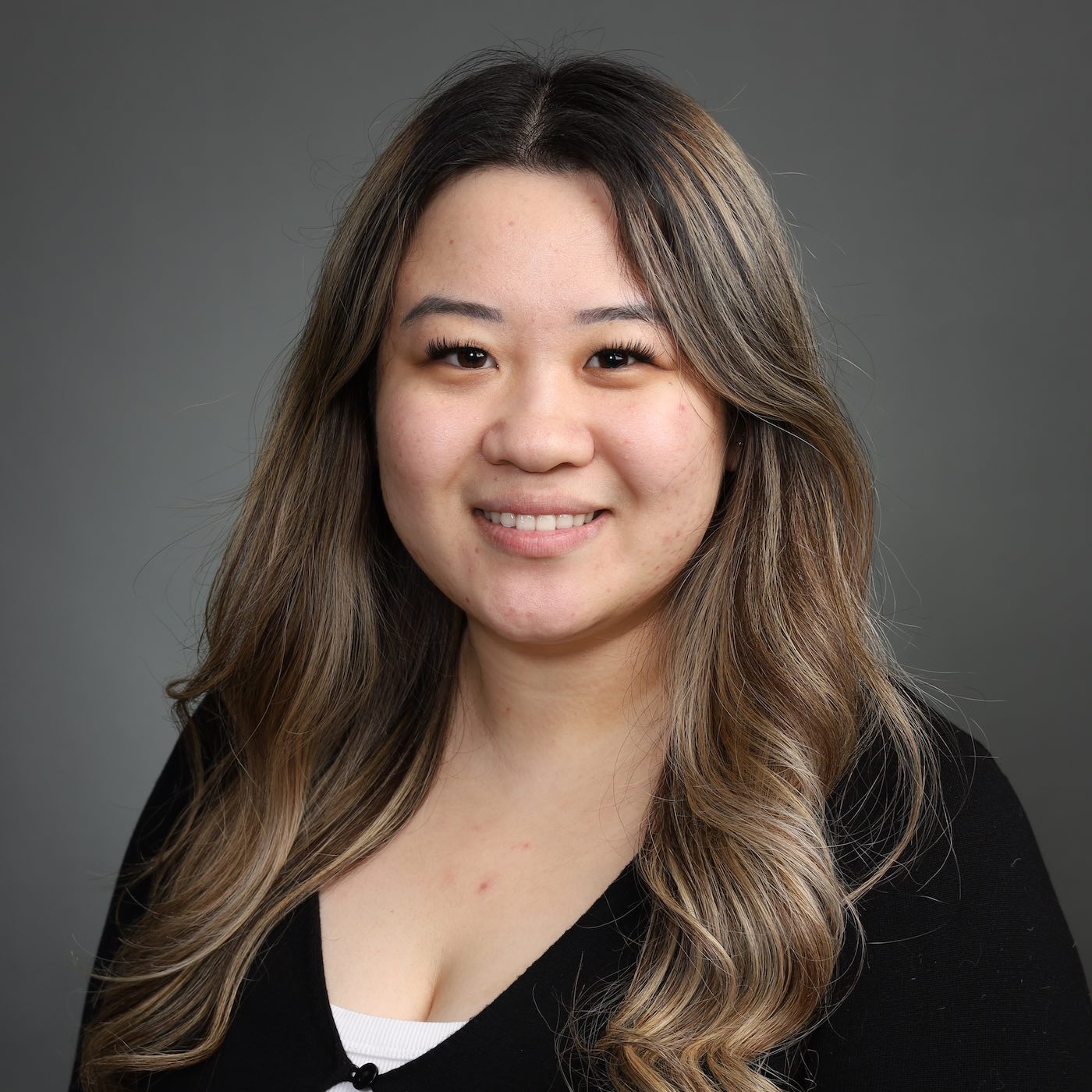
For Sophie Shi, a PhD candidate in chemical and materials engineering, teaching is as much about empathy as it is about expertise. Her own experiences as an undergraduate shaped the way she now supports her students — helping them navigate the same complexities she once faced. “I reflected on my experiences and challenges from my undergraduate classes to help students overcome them,” she says. By identifying knowledge gaps before introducing new material, Sophie builds stronger foundations and encourages her students to think critically rather than chase the right answer. Her thoughtful, adaptive approach to teaching has deepened her connection with learners and inspired her to pursue a career in post-secondary education. “This award reinforces my commitment to fostering engaging learning environments where students can succeed.”
Guiding Students Toward Clarity and Growth
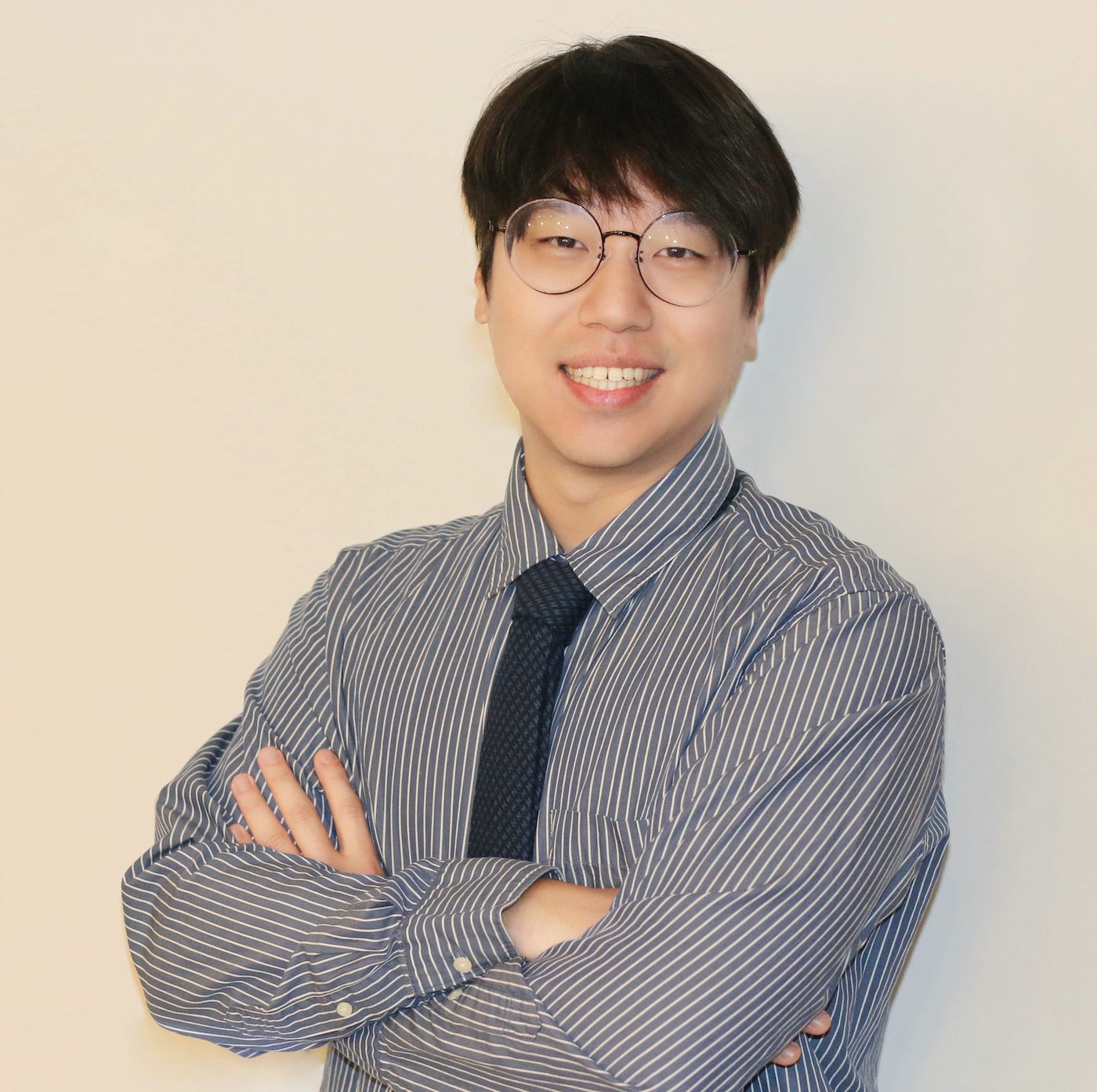
For Calvin Chung, a PhD candidate in civil and environmental engineering, teaching is about connection — finding the point where confusion turns into clarity. “I’ve always enjoyed engaging with students, seeing where they get stuck, and helping them get to that ‘oh, I get it now’ moment,” he says. What began as a skill he wasn’t sure he possessed has grown into one of his greatest strengths, shaping him into a more thoughtful scientist and communicator. Central to his approach is the belief that feedback should guide, not punish. Rather than simply marking errors, he walks students through their reasoning to help them understand the concepts beneath their mistakes. “I want them to leave knowing how to fix it next time, not just knowing they lost marks,” he explains. For Calvin, teaching is an act of partnership — one rooted in respect, patience and shared curiosity. The Leonard E. Gads Award affirms his commitment to building classrooms where students feel supported, challenged and capable of growth.
Teaching with Curiosity and Compassion
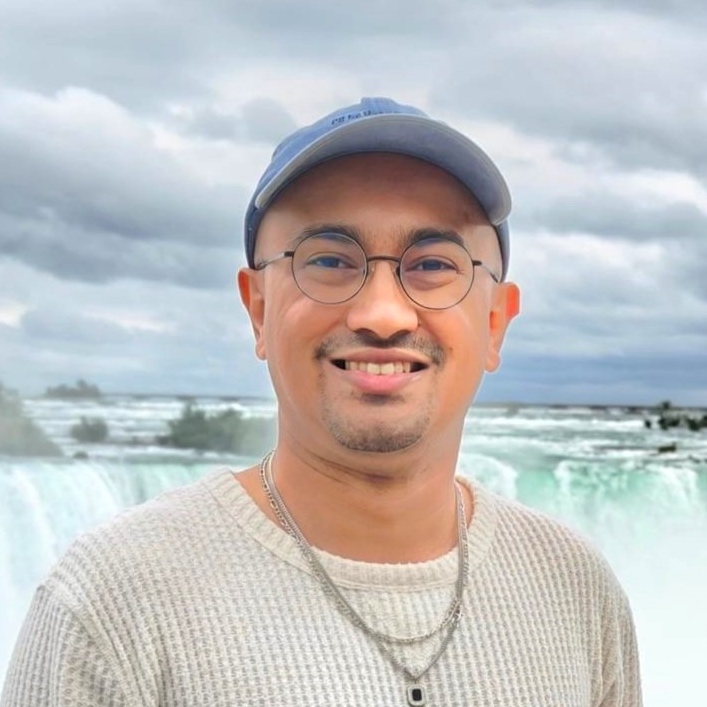
For Harikrishna Rao Mohan Rao, a PhD candidate in electrical and computer engineering, teaching is an act of curiosity and care. “Helping someone connect the dots or gain confidence in a concept feels incredibly meaningful,” he says. His approach is rooted in empathy — remembering what it feels like not to know something and meeting students with patience, humour, and real-world examples that bring complex ideas to life. “When you make learning enjoyable, students connect more deeply with the material,” he explains. For Hari, the Leonard E. Gads Award affirms that effective teaching goes beyond technical clarity; it’s about building a space where kindness and curiosity thrive together. “This award reinforces my belief that curiosity and compassion are at the heart of growth,” he reflects. “It inspires me to keep learning, mentoring and sharing knowledge in ways that help others discover their own potential.”
Designing Understanding Through Curiosity and Care
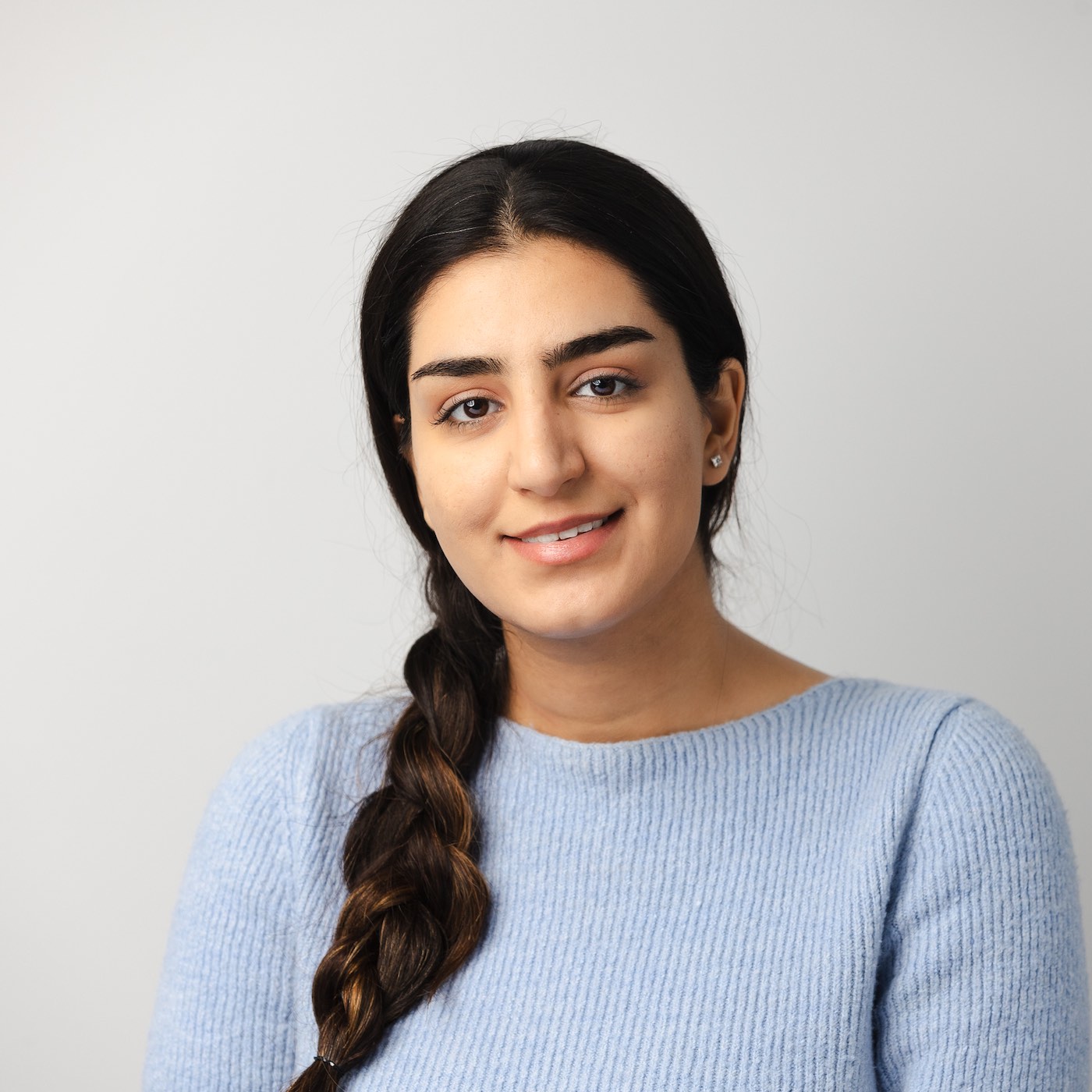
For Sara Sheikhi, a PhD candidate in mechanical engineering, teaching is a continuation of a lifelong inspiration. “My father is also a mechanical engineer, and I grew up admiring how he could explain complex ideas in such a simple way,” she says. That clarity and curiosity now guide her own work with students. In her seminar sessions, Sara walks learners through comprehensive design examples, inviting them to bring their projects, explore challenges and ask questions freely. “The open, supportive atmosphere helps students feel comfortable exploring ideas,” she explains. Her thoughtful approach has earned her heartfelt notes from students who credit her sessions with transforming their understanding. Grateful to her mentors and supervisors for fostering her growth as an educator, Sara sees the Leonard E. Gads Award as both recognition and motivation. “This award reinforces my path and encourages me to continue growing as both a researcher and an educator,” she says.
Together, these five recipients carry forward the legacy of Leonard E. Gads — reminding us that great teaching begins with laughter, empathy and the courage to meet every learner where they are.