U of A partners with Moderna to harness power of mRNA medicines
Sasha Roeder Mah - 6 January 2026
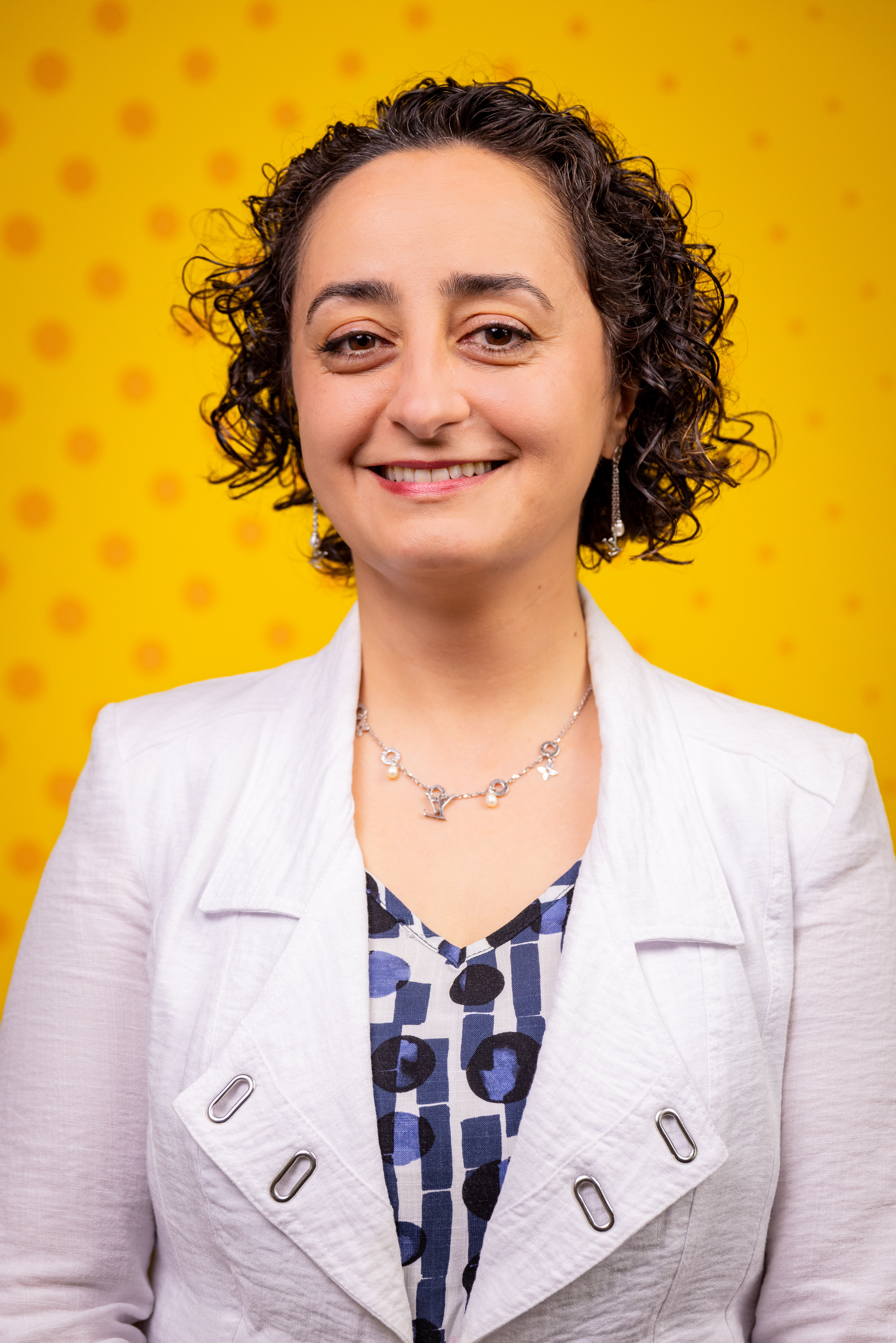
Hosna Jabbari
Researchers at the University of Alberta are teaming up with Moderna to learn how mRNA medicines can be improved.
The team is led by Hosna Jabbari, associate professor in the Department of Biomedical Engineering, and includes members from the Faculty of Medicine & Dentistry and AI+Health Hub. Working alongside scientists from the biotechnology company, the researchers aim to develop an AI-based computational model that can help in the development of better, more effective mRNA-based vaccines and therapeutics.
Messenger RNA was discovered in the 1960s, but it wasn’t until the COVID-19 pandemic that a vaccine was developed making mRNA a household word around the world, as this technology was fundamental in saving many lives mRNA creates broad possibilities for treating and preventing disease, from enabling rapid vaccine development —— to advancing personalized cancer therapies and treatments for rare conditions.
mRNA medicines work by providing temporary instructions that help cells produce specific proteins. Their effectiveness depends, in part, on how well mRNA is translated into proteins in the body, a process influenced by RNA structure. This research aims to help anticipate and avoid disruptions to that translation, toward the goal of more consistent and reliable protein expression.
“This research is a fascinating look at the structural biology that underpins the efficacy and safety of next-generation vaccines, revealing whether the engineered molecules achieve a perfect, undetectable disguise within the human body,” says Jabbari. “We hope to clarify when and how different mRNA motifs stabilize or mitigate structures that influence translation — knowledge that can directly inform therapeutic design.”